Infrastructure & Security · Nov 4, 2026
Apple beats estimates in Ternus's first quarter as CEO, but memory costs pull holiday margin outlook below forecasts
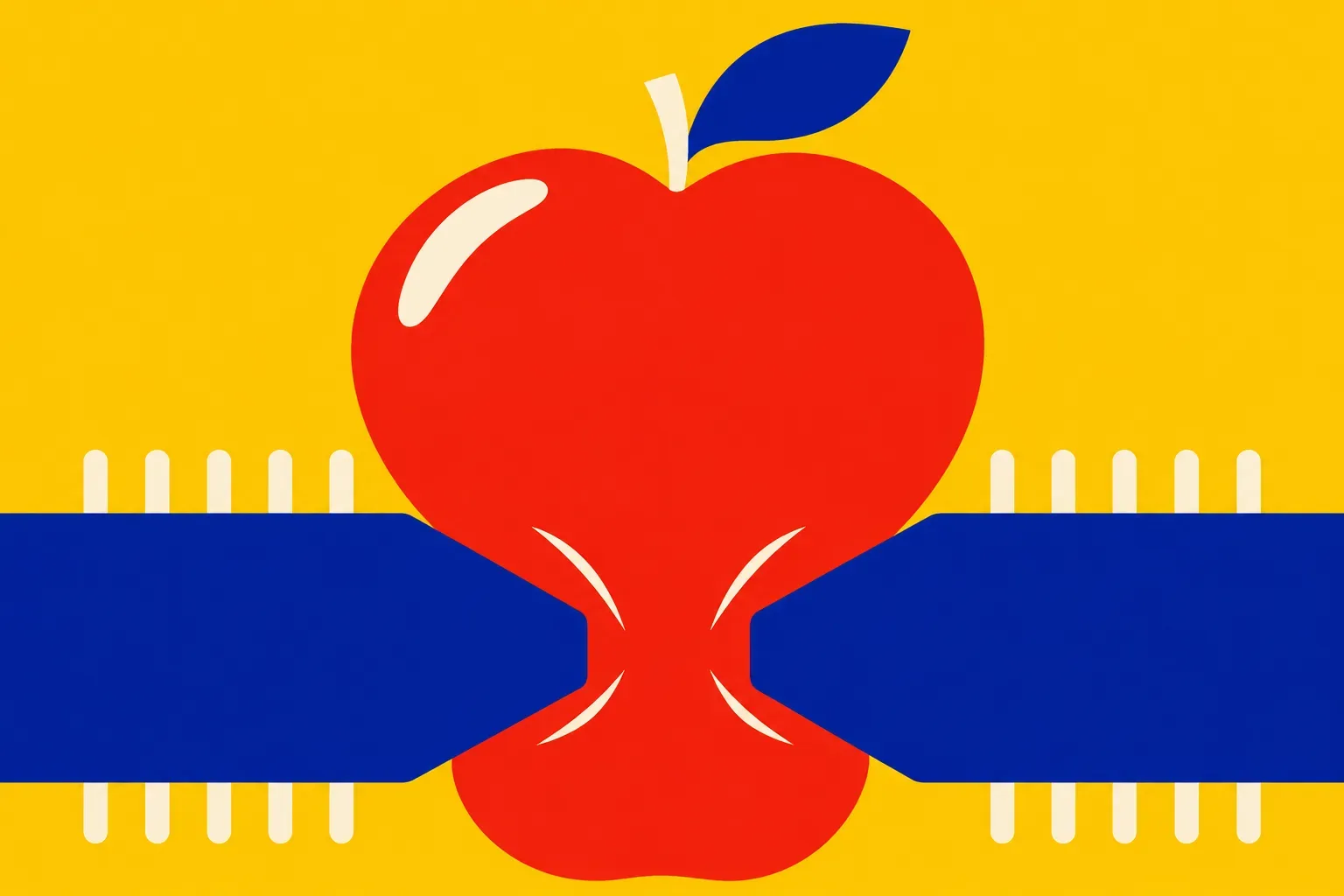
Revenue and profit for the July–September quarter topped expectations. Even so, Apple's gross margin outlook for October–December came in below forecasts. The memory shortage driven by AI demand has started to eat into device makers' profits
Seiichi Tanaka · Editor-in-Chief
Key points
- Revenue and profit for the July–September quarter both beat market expectations. These are the first results since John Ternus became CEO
- However, the gross margin outlook for the October–December quarter came in below forecasts. The main reason was reportedly rising memory prices
- The AI-driven memory shortage has begun to cut into device makers' profits. It matters that it has reached Apple, which should have more power than anyone to push down component prices
Apple reported results for the July–September quarter (the fourth quarter of its fiscal year) after the close of U.S. markets on November 2. The results come from Apple's press release and its filing with the SEC (U.S. Securities and Exchange Commission). They are the first since John Ternus became chief executive officer (CEO). Revenue and profit both beat market expectations. But its gross margin outlook (the share of revenue left after the cost of goods sold) for the October–December quarter, which includes the holiday shopping season, came in below forecasts. CNBC and other outlets reported that the main reason was rising memory prices. The memory shortage created by demand from AI data centers has started to cut into the profits of companies that make PCs and smartphones. These results show that more clearly than anything so far.
For Japanese companies: Rising memory prices are now hitting Apple's costs. Companies planning to replace employees' iPhones, Macs or PCs in bulk should budget for smaller discounts or possible price increases. On the other hand, it means the tailwind continues for Japanese memory makers such as Kioxia and their suppliers.
July–September quarter beat expectations
According to Apple's announcement and its SEC filing, revenue and profit for the July–September quarter both beat market expectations. Ternus led Apple's hardware engineering for many years. In his first earnings report, he has at least passed the test on the numbers.
However, the stock market cares more about the next three months than the past three. The most closely watched part of these results was also the outlook for the October–December quarter.
Holiday-quarter margin outlook fell short
The October–December quarter is Apple's biggest of the year, when new iPhones sell most strongly during the holiday season. Its gross margin outlook for that quarter came in below market expectations. CNBC and Quartz reported that the main reason Apple cited was rising memory prices.
Gross margin is falling not because sales are dropping. It is because the cost of making each device is rising, and Apple cannot fully pass that increase on in its prices. iPhones and Macs use large amounts of DRAM (working memory) and flash memory (storage). When memory prices rise, costs rise directly.
AI data centers are fighting over memory
Memory prices are rising because AI data centers are buying huge amounts of it. The GPUs used for AI computing depend on HBM (high-bandwidth memory, an expensive stacked memory built for speed). Memory makers are shifting production toward high-margin HBM and data-center products. That leaves less memory for smartphones and PCs, and prices go up.
The scramble for memory has reached the point where AI company chiefs are getting directly involved. OpenAI CEO Sam Altman met about 50 Samsung executives in South Korea on October 31 to discuss memory supply and AI infrastructure, Bloomberg reported. Views differ on where prices go next. Kioxia's outlook suggested that price increases may be close to peaking. Meanwhile, the two South Korean makers (Samsung and SK hynix) are continuing to raise prices.
What makes these results significant is that this happened to Apple. Apple is one of the world's largest buyers, and among device makers it has the strongest power both to negotiate component prices and to get customers to accept high prices. Even Apple set its holiday margin outlook below expectations. PC and smartphone makers with less bargaining power could be hit even harder.
What to watch
First, how long memory prices keep rising. Whether Kioxia's view that a peak is near or the two South Korean makers' continued price increases prove right will determine device prices next year. Second, whether other device makers talk about price increases or weaker margins. Qualcomm and Arm, which design chips for smartphones, report earnings on November 4. Third, whether AI companies and memory makers sign large supply deals. If they do, memory for devices will become even scarcer.
Investment in AI has mostly been discussed in terms of data centers and power. Apple's results show that this investment is starting to reach the prices of the iPhones and PCs in people's hands, and the profits of the companies that make them.
Editorial cartoon

Sources
- https://www.apple.com/newsroom/2026/11/apple-reports-fourth-quarter-results/
- https://www.sec.gov/Archives/edgar/data/0000320193/000032019326000024/aapl-20261102.htm
- https://www.cnbc.com/2026/11/02/apple-aapl-q4-2026-earnings-live-updates.html
- https://qz.com/apple-stock-memory-costs-holiday-margin-forecast-110326