Products & Models · Nov 4, 2026
Anthropic unveils a cryptographic way to prove which model produced an answer without revealing its weights
FlashProve lets outside evaluators and regulators check that an approved model really produced a given answer, but it is still about 70 to 95 times slower than ordinary inference
Rie Suzuki · Technology Editor
Key points
- Anthropic's FlashProve cryptographically proves that "an approved model produced this answer" without revealing the model's weights
- Until now, outside evaluators and regulators have had to take a company's word that it ran a particular model
- Speeds are approaching practical levels, but proofs still take about 70 to 95 times longer than ordinary inference, so the system is suited for now to audits and spot checks
Anthropic has published "FlashProve" on its research page. The system uses cryptographic proofs to show that a given answer really came from an "approved model," without exposing the model's weights, the learned numerical parameters at the core of an AI model. Anthropic expects the verifiers to be outside evaluators and regulators. The company says the system's speed is approaching practical levels, but generating an answer this way still takes roughly 70 to 95 times longer than doing so normally.
For Japanese companies: Nothing changes right away for the price or use of the Claude models they rely on today. The research matters most to companies in sectors such as finance and healthcare, which have to explain their use of AI to regulators and auditors. In the future, such companies may be able to show business partners evidence that an answer really came from the model they contracted for.
What can now be verified
When an AI company tells outside evaluators that a model has been "tested and approved," the evaluators have had no independent way to confirm that this model actually produced the answers. Handing over the weights would allow verification, but weights are a company's most valuable asset and could be misused if stolen.
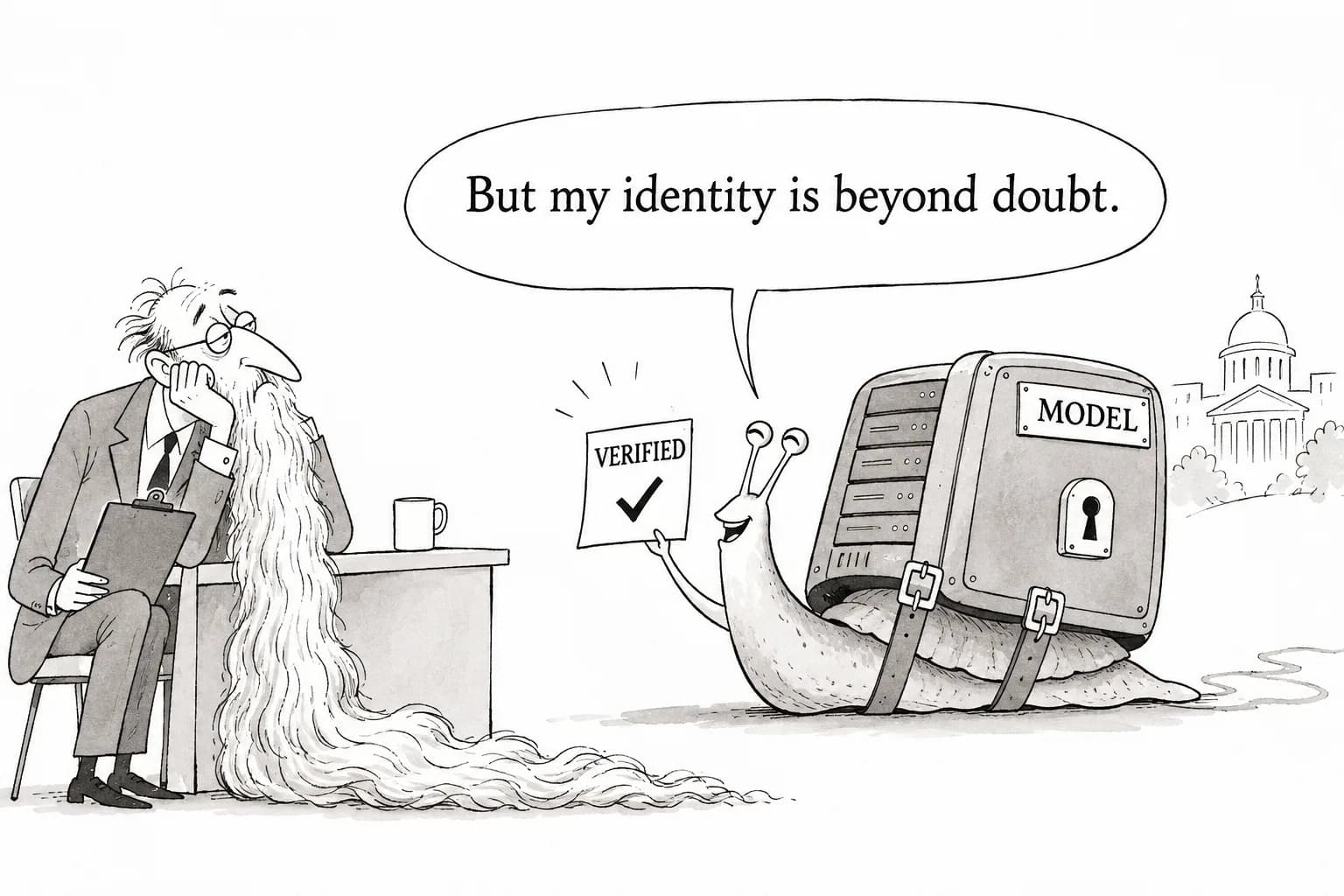
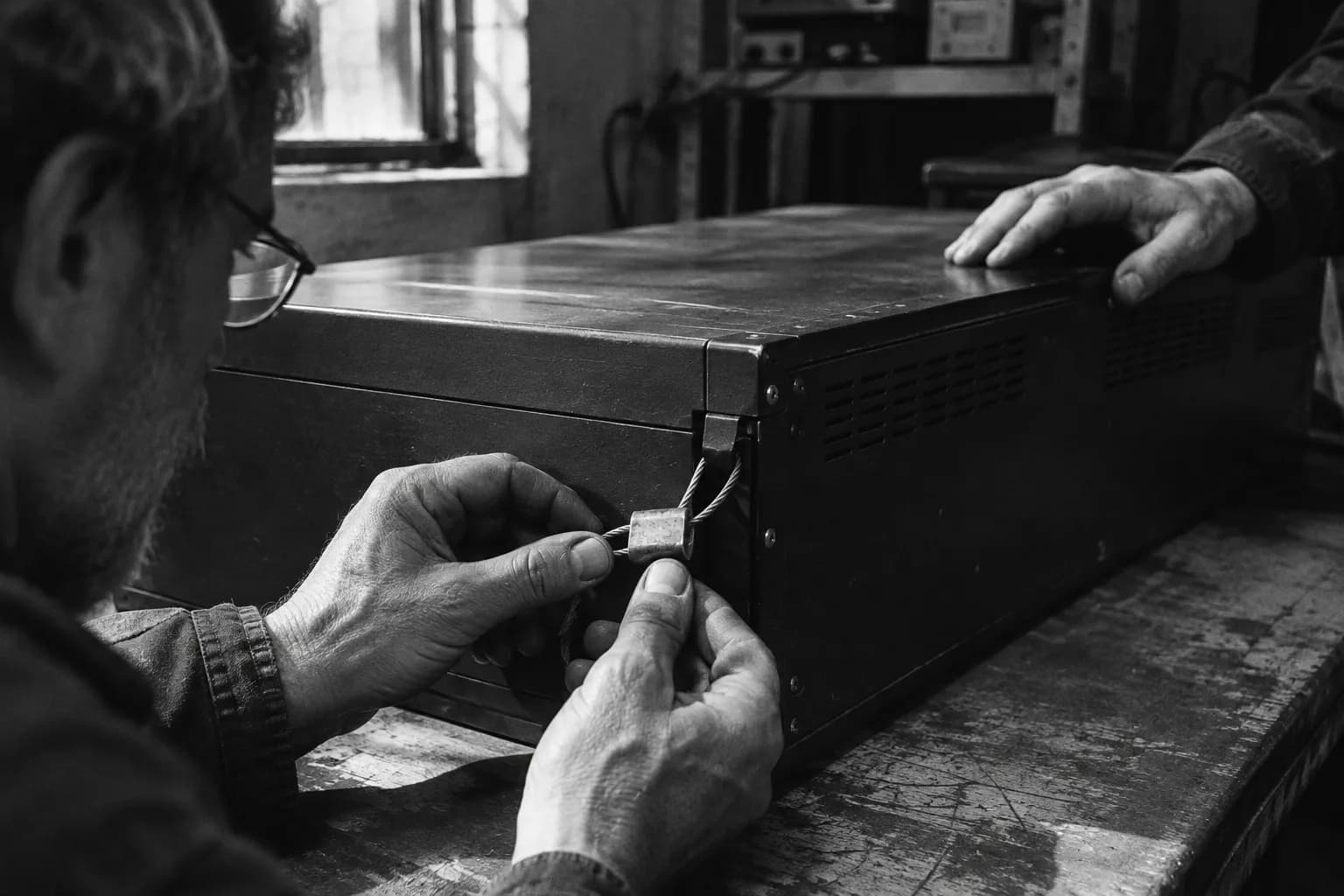
FlashProve tries to solve both problems at once. The weights stay hidden, and the system cryptographically shows outsiders only that "this answer was produced from this input by the approved model." Verifiers can check whether the proof is valid without knowing anything about the model's internals.
This article was not able to confirm several details, including which models the system was tested on, how much computation is needed to verify a proof, and whether the method or code will be released publicly.
Why it matters to outside evaluators and regulators
This autumn, frontier labs (the companies building the most advanced models) and outside evaluators have repeatedly clashed over how far each side can be trusted. On October 15, Anthropic announced that it would give six staff members of the outside evaluation organization METR access roughly equal to that of its internal risk-assessment team. Shortly before that, Reuters reported that Anthropic and OpenAI had sought strong editorial control over what evaluators could publish. Anthropic called the report inaccurate.
Arrangements like these rest on evaluators working inside the company and trusting the company's explanations. FlashProve's approach would replace part of that trust with proof. It would let outsiders check whether the model that evaluators and regulators tested and approved is the same one actually answering users.
Keeping the weights hidden also matters. In its listing filings, Anthropic wrote that it delayed pretraining of a new model by more than a month to strengthen defenses against weight theft. A verification method that doesn't require handing weights to outsiders doesn't conflict with those defenses.
Not ready for everyday use: roughly 70 to 95 times slower
Speed is the weak point. Anthropic says the system is approaching practical use, but producing an answer with a proof takes roughly 70 to 95 times longer than ordinary inference. An answer that would normally come back in one second would take one to two minutes.
At that speed, attaching a proof to every query isn't realistic. For now, the system is likely to be used for a limited number of checks, such as during audits or when regulators run spot inspections.
The takeaway
AI regulation and auditing have so far relied heavily on "what the company says." FlashProve is an attempt to gradually shift that foundation toward facts that can be verified cryptographically. The next questions are how far the slowdown can be reduced and whether other labs and regulators adopt the same approach.
Editorial cartoon