Money · Nov 4, 2026
Anthropic faces a disclosure fight before its IPO: are $895.4 billion in compute commitments "debt"?
Calculations based on the amended IPO filing reportedly put Anthropic's compute commitments at $895.4 billion and its costs at 58% of revenue. Skeptics and disclosure advocates both say the company hasn't explained enough, while bulls argue the strength of Claude will cover the bill
Koji Yamamoto · Economics Analyst
Key points
- Calculations based on the S-1/A (an amended version of the IPO filing) filed on November 2 reportedly put compute commitments at $895.4 billion and costs at 58% of revenue. The filing is 94MB and could not be read directly, so the figures come from secondary sources
- Skeptics see commitments that must be paid even if revenue stalls as "effectively debt." One essay urged the SEC to block the IPO and another demanded that Anthropic disclose what it charges for tokens and what they cost to produce. Both say the company has not explained enough
- Bulls argue that Claude itself is a strength rivals will struggle to match. The price range is reportedly due around November 10 and the listing in the week of November 16, and the key question is whether Anthropic adds more disclosure before then
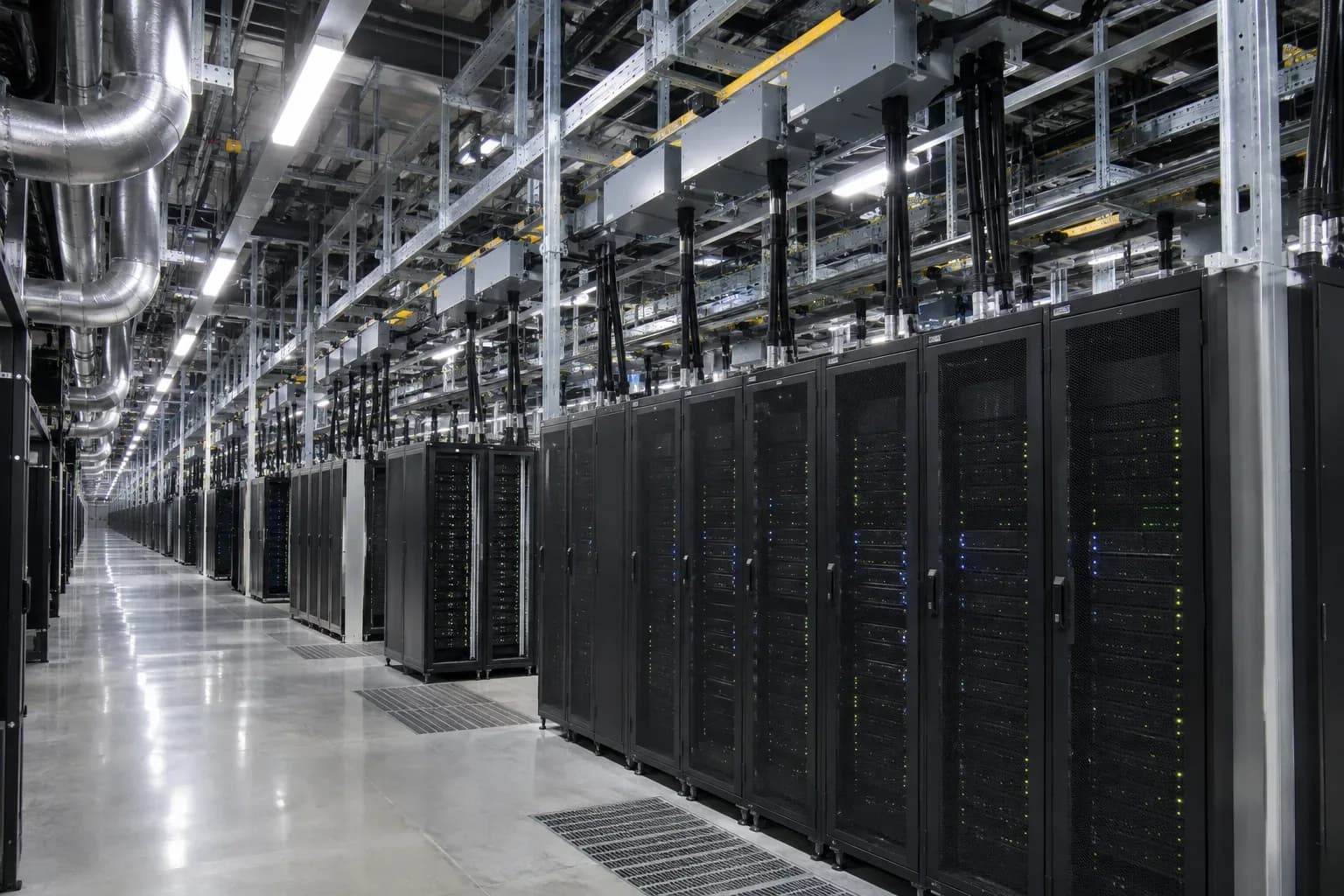
With its IPO two weeks away, Anthropic has split financial observers into two clear camps. The trigger was the S-1/A filed on November 2, an amended version of the S-1, the US registration document for a public listing. According to reports, the filing shows compute commitments for leased data centers and chips totaling $895.4 billion, and costs equal to 58% of revenue. Skeptics and those calling for more disclosure looked at these figures and said the company has not explained enough. Bulls, meanwhile, believe the strength of Claude will let Anthropic pay.
For Japanese companies: For companies that use Claude at work, the financial health of the provider will shape future pricing and how much capacity is available. About $3.5 billion of the offering is reportedly earmarked for Japan, so companies with exposure to Anthropic shares through business partners or their own pension and investment portfolios should understand how heavy these commitments are.
What the amended filing showed
Anthropic filed its S-1 on October 26 and submitted the amended S-1/A to the US Securities and Exchange Commission's (SEC) disclosure system on November 2, under the same file number, 333-299633. The filing itself is a primary source, but at 94MB it is too large for us to have read directly. The figures below come from reporting by CNBC and others, and from commentary based on that reporting.
Two numbers drew the most attention. The first is that compute commitments total $895.4 billion. At 150 yen to the dollar, that is about 134 trillion yen. The second is a calculation that costs equal 58% of revenue. We have not been able to confirm which costs that calculation includes.
The figures are also inconsistent. The operating loss for the July–September quarter is reported at $567 million, while a figure of $1.26 billion for the nine months from January to September is also circulating. It is unclear whether the gap reflects different periods or different accounting methods. In October, The Information reported that Anthropic was pressing its partners to speed up data center leases worth about $530 billion. The $895.4 billion figure now in circulation is far larger.
The skeptics: commitments that must be paid even if revenue stalls are close to "debt"
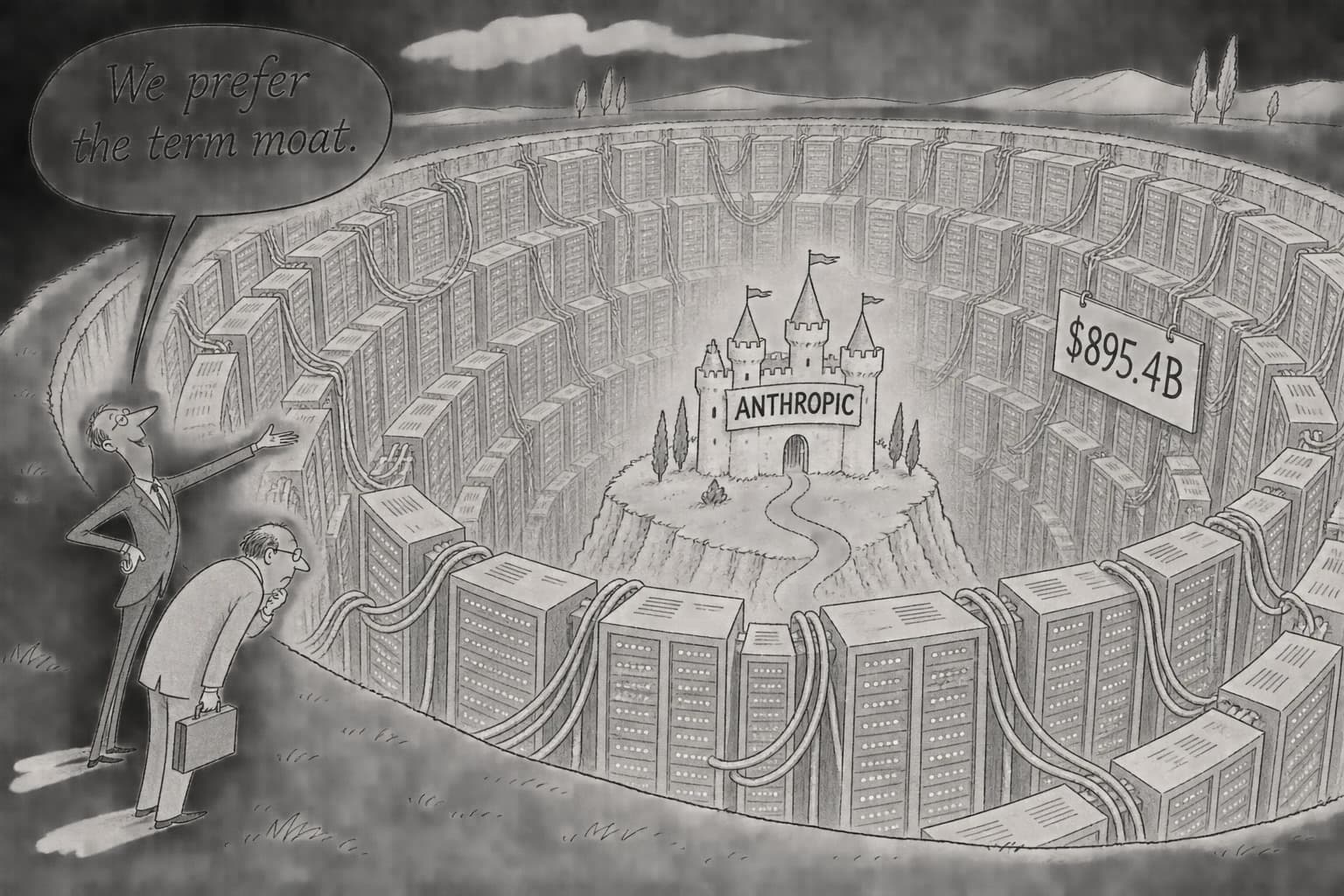
The skeptics' argument is simple. Compute commitments oblige the company to keep paying fixed amounts even if revenue grows more slowly than expected. They may not be called debt on the balance sheet, the argument goes, but they bind the company in much the same way.
Ed Zitron, known for his criticism of the tech industry, published "Running Dry" in his newsletter. As the title suggests, the essay asks whether AI companies can keep the money flowing. The policy outlet Tech Policy Press ran an essay that goes further, "The SEC should block Anthropic's IPO to protect the public". It openly opposes selling shares to the general public on the basis of the current disclosures.
Anthropic's bonds are reportedly rated double-B, below investment grade. Reports that the company will allocate shares to individual investors while carrying such huge commitments have deepened the skeptics' concerns.
The disclosure camp: show the token prices and costs
Others do not oppose the listing itself but want more explanation. The leading example is another Tech Policy Press essay, "Anthropic needs to disclose its tokenomics before its IPO". Tokenomics here refers to the core economics of the business: how much the company charges for tokens, the units in which AI generates text, and how much it costs to produce them.
If costs are 58% of revenue, the remaining roughly 40% has to cover research, payroll, and payments on the $895.4 billion in commitments. Without the price and cost of tokens, there is no way to judge whether these economics improve or worsen as usage grows. The disclosure camp and the skeptics reach different conclusions, but they agree that the current filing is not enough to make a judgment.
Money is not the only area where more explanation is awaited. The S-1/A states that future models "could soon meet" a threshold Anthropic set for itself, under which AI dramatically accelerates AI research. It also reportedly says that internal use of Claude, valued at list prices, grew 250-fold from January to September. The prospect of faster research is a bullish point, but the compute it requires pushes the commitments higher. The filing does not explain which way this cuts.
The bulls: Claude itself is the moat
The leading bull is Noah Smith, known for his economics blog. His essay is titled "Anthropic's moat is Claude". A moat is a strength that other companies cannot easily match. If the model's performance and usability keep customers locked in, revenue will grow faster than the burden of the commitments, and the commitments become an investment in growth rather than debt.
In other words, the dispute is less about the size of the commitments than about whether revenue growth can pay for them. The bulls point to the strength of Claude, while the skeptics and the disclosure camp say the filing lacks the numbers needed to verify it.
What to watch over the next two weeks
According to reports, the price range and share count will be set around November 10, with the listing in the week of November 16. The first question is whether Anthropic amends its filing again before then to explain the details of its commitments and its token economics.
Results from the companies that lease out compute will also offer clues. CoreWeave, which rents compute for AI and has found it harder to raise money in the bond market, reports on November 9, and Nebius on November 10. The burden of the renter's commitments is the flip side of the lenders' debt. How the roughly $3.5 billion allocation for Japan is decided will also matter to Japanese investors.
Editorial cartoon
Sources
- https://www.cnbc.com/2026/11/02/anthropic-ant-s-1-quarter-financials.html
- https://www.techpolicy.press/the-sec-should-block-anthropics-ipo-to-protect-the-public/
- https://www.techpolicy.press/anthropic-needs-to-disclose-its-tokenomics-before-its-ipo/
- https://www.wheresyoured.at/running-dry/
- https://www.noahpinion.blog/p/anthropics-moat-is-claude